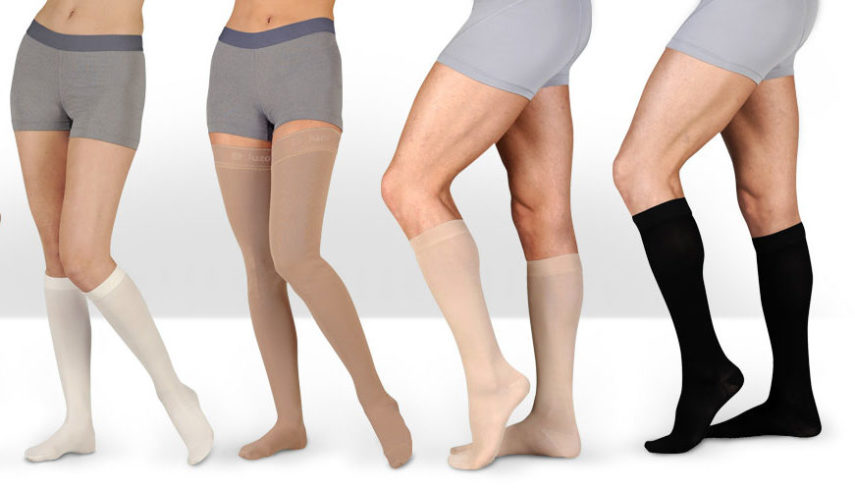
Compression Stockings
Compression stockings, also known as compression socks or support stockings, are specialized hosiery designed to improve blood circulation in the legs. They are tight-fitting garments that apply graduated pressure, meaning the pressure is strongest at the ankle and gradually decreases as it moves up the leg. This compression helps promote better blood flow from the legs back to the heart.
Key features and uses of compression stockings include:
Graduated Compression: Compression stockings are constructed with a graduated compression design, with the highest pressure at the ankle and gradually decreasing pressure as it moves upward. This design assists in pushing blood from the legs towards the heart, preventing blood pooling and improving circulation.
Materials: They are typically made of elastic materials such as nylon or spandex, which provide the necessary pressure to support the veins and muscles in the legs.
Lengths and Styles: Compression stockings come in various lengths, including knee-high, thigh-high, and pantyhose styles. The choice of length depends on the specific needs of the wearer and the condition being addressed.
Medical Uses:
- Varicose Veins: Compression stockings are often prescribed for individuals with varicose veins to alleviate symptoms such as swelling, discomfort, and the appearance of bulging veins.
- Deep Vein Thrombosis (DVT): They are commonly recommended for individuals at risk of or diagnosed with DVT, a condition where blood clots form in the deep veins of the legs.
- Edema and Swelling: Compression stockings can help reduce swelling (edema) in the legs, particularly in individuals with conditions like lymphedema or chronic venous insufficiency.
Travel and Long Periods of Sitting or Standing: Compression stockings are sometimes recommended for individuals who spend long hours sitting or standing, such as during air travel or prolonged work hours. They can aid in preventing blood from pooling in the legs and reduce the risk of conditions like deep vein thrombosis.
It’s important to note that the use of compression stockings should be based on individual health needs and should be prescribed or recommended by a healthcare professional. Proper sizing and wearing instructions are crucial to ensure that the compression stockings are effective and comfortable for the wearer.